
Precious Metals Strengthens as Rate Cuts Loom and Silver Surges
by QBC Analyst
Gold is currently trading at AUD $5,217, silver at AUD $59.64, and platinum at AUD $2,075. With prices consolidating close to record highs for both gold and silver, two key forces are coming into focus for investors: the anticipated cycle of rate cuts in the United States and the accelerating appetite for retail investment for silver in Australia. Together, these developments signal that gold and silver may have greater room to run.
The Rate Cut Cycle and Gold
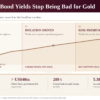
For over a year markets have debated when the United States Federal Reserve would shift from tightening to cutting rates. That moment is now drawing close. Each move is significant because it lowers the yield on short-term government bonds, reducing the “opportunity cost” of holding precious metals which generate no return. When bonds pay less, investors look for safety elsewhere. History tells us that gold thrives in these conditions. Lower front-end yields (such as the U.S. two-year Treasury bond) remove one of the last barriers for large-scale institutional funds to allocate into bullion. At the same time, longer-dated yields in the American market remain elevated, a signal that investors demand greater compensation for risks such as political interference and unrestrained government spending. This cocktail of falling short-term rates and sticky long-term risks creates the perfect backdrop for gold to rise further.
Gold has already gained close to 30% this year in America (and just over 20% in Australia), but the environment remains supportive. Inflation in the United States is proving stubborn, government spending continues at record levels, and political risks weigh heavily on the credibility of monetary policy. These conditions strengthen gold’s dual role as both an inflation hedge and a safe haven against financial instability.
Looking back at history, gold has proven to climb more than 30% in the two years following the first rate cut. If the current cycle repeats that pattern, then the next leg of gold’s bull market may only just be beginning. Read more about U.S. Fed rate cutting cycles and their relationship with recessions in our previous article. By way of the Fed cutting rates, pressure will mount on the U.S. dollar, which in turn places pressure on gold purchased in AUD.
Silver’s Rising Influence in Australia
While gold continues to dominate headlines, silver has quietly outperformed in both American and Australian markets. So far this year, silver has climbed more than 31% in America, outpacing gold’s 28%. Similarly, in Australia silver has seen over 25% gains compared to gold’s gains at 21%. Much of this strength reflects growing demand from retail investors, and Australia has emerged as one of the largest markets worldwide for physical silver bars and coins.
As recently as 2019, Australian silver demand stood at under 3.5 million ounces. By 2022 it had surged to more than 20 million ounces, making Australia the fourth-largest market for physical silver retail investment globally. This growth has been supported by the favourable tax environment for bullion: generally, investment-grade precious metals carry no goods and services tax and, when held through retirement accounts, can ultimately benefit from reduced capital gains tax.
Although 2023 and 2024 saw a period of profit-taking, demand has remained far above pre-pandemic levels with expectations for silver investment to continue rising again this year. Many investors also hold the view that silver is undervalued relative to gold, strengthening its appeal.
Silver’s Dual Character: Industrial and Monetary
Unlike gold, which derives most of its demand from investors and central banks, silver enjoys a dual advantage as both an industrial metal and a monetary one. The global transition to renewable energy continues to drive consumption, with solar panels expected to absorb a record 140 million ounces of silver this year. Growth in electric vehicles, batteries, and data centres is adding further momentum.
At the same time, silver’s traditional role as a safe haven is once again in the spotlight. Rising global debt, persistent inflation, and escalating geopolitical risks are pushing investors toward tangible stores of value. The price of silver compared to gold also offers a lower entry point into the precious metals markets. Technical patterns also suggest further potential, with the gold-to-silver ratio sitting well above historical averages. If that gap were to close, silver prices would need to rise meaningfully from current levels.

Preparing for What Comes Next
Taken together, the signals are clear. Gold is positioned to benefit from the global shift toward lower rates, while silver is finding strength in both industrial and investment demand. For Australians, the dual advantages of a supportive exchange rate and favourable taxation make these metals especially compelling. The combination of weakening domestic currency, declining real yields, and surging silver demand paints a picture of continued resilience in the precious metals market. For those positioned early, the next stage of this cycle could prove to be transformative.